
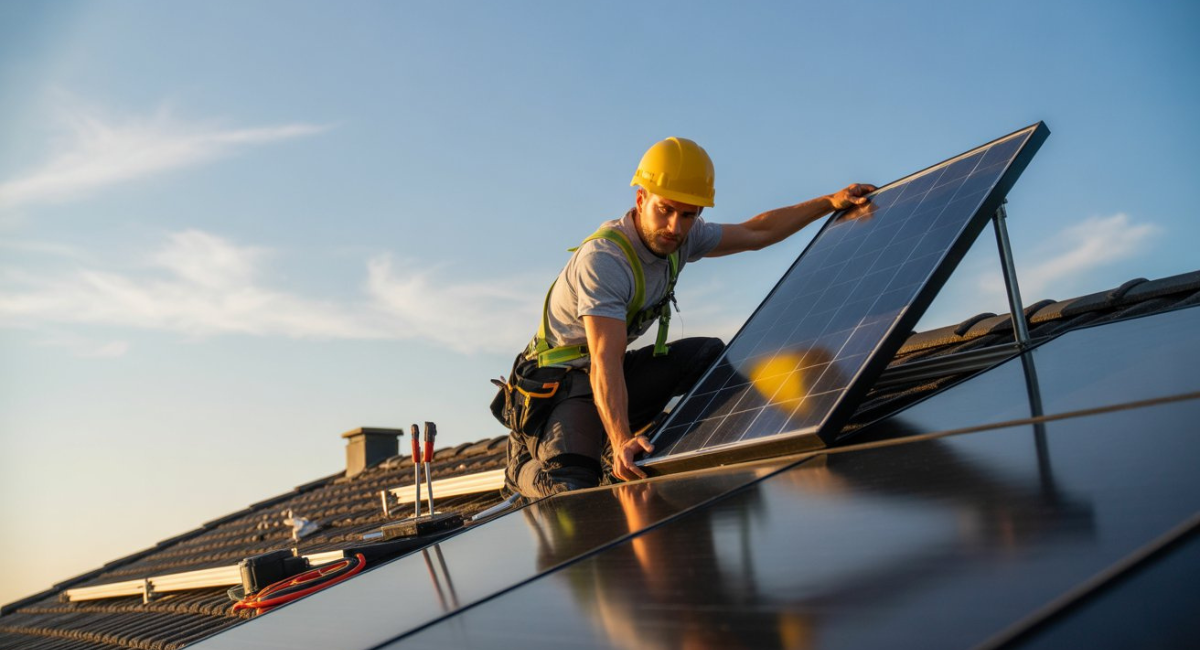
Solar Panels for Home Energy Independence are no longer a luxury idea in the United States. They have become a practical response to rising costs and unstable grids. Many homeowners now want control, predictability, and freedom from surprise bills. This article explains the real story, without hype, so you can decide wisely.
Solar Panels for Home Energy Independence promise control, but they also demand clarity. When you understand how systems work, what they cost, and what they truly deliver, your decision becomes stronger. Let’s break everything down in simple language, using facts that actually matter to homeowners like you.
What Energy Independence Really Means for Homeowners
Energy independence means your home relies less on the grid and more on its own power source. With solar panels for home, you reduce dependence on utility providers and gain control over monthly power costs. It does not always mean total disconnection. It means choice, stability, and planning freedom.
For most families, energy independence is about predictable expenses and peace of mind. When a residential solar system supports your daily home energy usage, you avoid sudden spikes. You also protect yourself from utility company rate hikes that feel endless.
The Problem With Traditional Power Companies (And Why People Are Leaving Them)
Power company bills in the U.S. increase almost every year. Fuel prices change. Infrastructure ages. Customers pay more while service quality often drops. This cycle causes frustration and pushes homeowners toward solar panels for home energy independence.
Grid failures, heatwaves, and storms expose how fragile centralized power can be. People want a backup and control. Solar offers electricity bill reduction and relief from unpredictable home electricity bills, especially during peak demand seasons.
Solar Panels Explained Simply: How They Actually Power Your Home
Solar panels absorb sunlight and convert it into usable electricity. A solar inverter then changes that power so your appliances can use it safely. This process lets you generate your own power during daylight hours with high solar panel efficiency.
Most homes connect this power through a grid-tied solar system. When your panels produce more than needed, excess energy sent to grid flows outward using a bi-directional meter. This exchange is tracked through net metering.
Grid-Tied, Off-Grid, or Hybrid Solar Systems — Which One Is Best?
A grid-tied solar system connects your home to the utility grid. It lowers costs and maximizes solar energy savings through net metering. Off-grid solar power fully disconnects your home but requires batteries and higher upfront investment.
Hybrid systems combine both ideas. They store energy and still connect to the grid. For Solar Panels for Home Energy Independence, hybrid systems offer balance. They protect against outages while keeping costs reasonable.
How Battery Storage Changes Energy Independence
Battery storage allows power use at night and during outages. It improves solar panel performance by storing daytime production. Batteries also support fixed electricity costs, which helps long-term planning.
The Real Cost of Installing Solar Panels
Solar panel cost depends on system size, location, and roof design. In the U.S., federal solar tax credits lower upfront expenses significantly. These credits reduce taxes, not income, which improves affordability.
Over time, long-term energy savings outweigh initial costs. Many homeowners see a strong return on investment solar within eight years. After that, energy feels nearly free, except for basic maintenance.
| Cost Aspect | Typical Impact |
| Installation | One-time |
| Tax Credits | Major reduction |
| Savings | Ongoing |
First 30–90 Days After Installation: What Results Should You Expect?
During the first month, homeowners track production using a solar monitoring app. This helps understand patterns and daily output. You quickly notice changes in consumption habits.
By day ninety, the excitement becomes confidence. Reduced bills prove value. Solar Panels for Home Energy Independence begin to feel normal, reliable, and empowering.
Seasonal Performance Reality — Does Solar Work in Winter or Cloudy Weather?
Solar panels work on light, not heat. Even during winter solar production remains steady in many U.S. states. Cooler temperatures can actually improve efficiency.
Annual balance matters more than daily output. Summer overproduction often offsets winter gaps. This balance stabilizes monthly power costs and supports energy independence year-round.
Hidden Benefits of Solar Energy Most Installers Don’t Talk About
Solar adds home value. Buyers pay more for homes with renewable energy for homes installed. This benefit often appears during resale, not installation.
There is also pride. Using a clean energy solution supports sustainable living and real carbon footprint reduction. These gains feel personal and lasting.
Solar Panel Maintenance, Lifespan, and Common Problems
Solar panel maintenance is minimal. Rain cleans most debris. Occasional checks ensure efficiency. Monitoring systems alert you to issues early.
The average solar panel lifespan exceeds 25 years. Inverters may need replacement sooner, but systems stay reliable. This durability supports Solar Panels for Home Energy Independence long-term.
Is Solar Energy Worth It for You? Final Verdict on Energy Independence
Solar works best for homeowners planning to stay put. Stable roofs and sun exposure matter. Financing options also help adoption.
If you want control, predictability, and protection from rising costs, Solar Panels for Home Energy Independence deliver value. They turn energy from an expense into an asset you own.
FAQS
How do solar panels contribute to energy independence?
Solar panels let you produce electricity at home instead of buying all of it from the grid. This reduces reliance on power companies and protects you from rising rates. With batteries, you can keep power during outages. Over time, your energy costs become predictable and stable.
Why is it so hard to sell a house with solar panels?
It’s usually difficult only when panels are leased, not owned. Buyers may hesitate to take over lease contracts or unclear payments. Poor paperwork or outdated systems can also create doubt. Owned systems, however, often increase home value.
What happens to solar panels after 25 years?
Most panels still work after 25 years but at slightly lower efficiency. They usually produce about 80–85% of their original power. Panels can keep running for decades with minimal issues. Recycling options are also expanding in the U.S.
What is the 20% rule for solar panels?
The 20% rule refers to efficiency loss over a panel’s lifetime. High-quality panels are designed to lose no more than about 20% performance after 25 years. This ensures long-term reliability. It helps homeowners estimate future output.
What happens to solar panels in a storm?
Modern solar panels are built to withstand heavy rain, strong winds, and hail. They are tested for severe weather conditions. Most storms cause no damage at all. Insurance usually covers rare storm-related issues.

Welcome to Alpha Core.
I’m Alex Morgan, a content writer with over 3 years of experience in research-based and educational writing.
Here, I share clear and reliable information to help readers understand complex topics with confidence.

 before making a smart home investment.)