
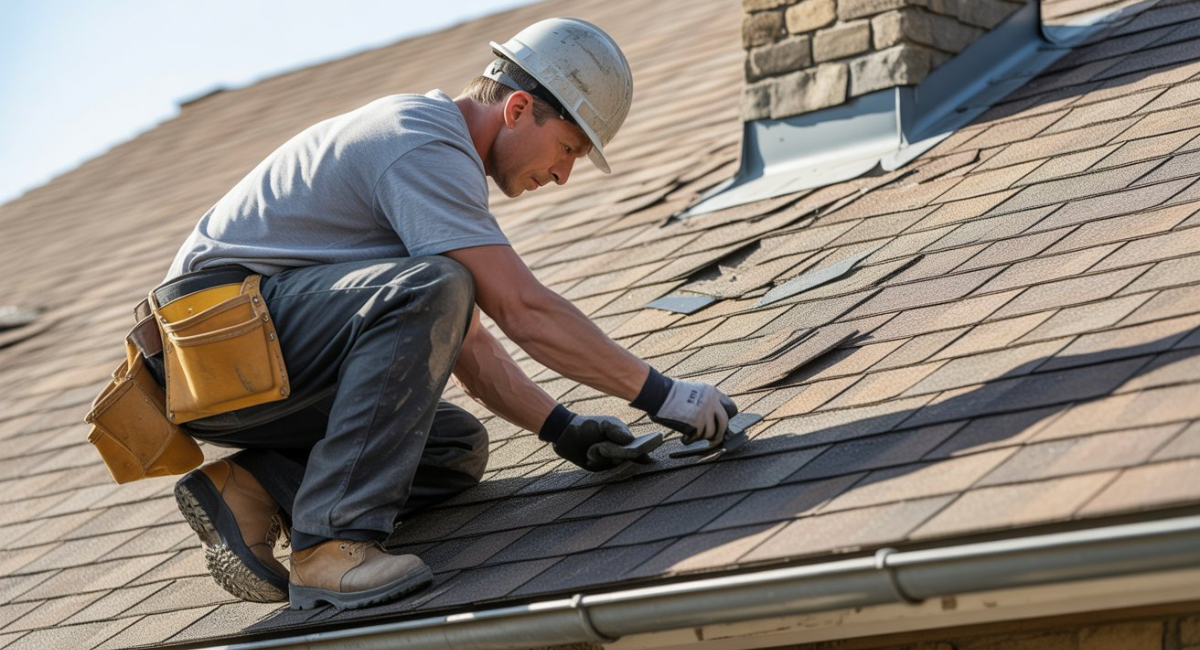
Selling a home comes with many tough decisions, and one of the biggest is Should you replace your roof before selling or let the next owner handle it? A worn or damaged roof can dramatically impact curb appeal and roof, slow down negotiations, and even lower the final sale price. Buyers notice shingles, leaks, and overall roof condition, which influences their confidence and willingness to pay top dollar.
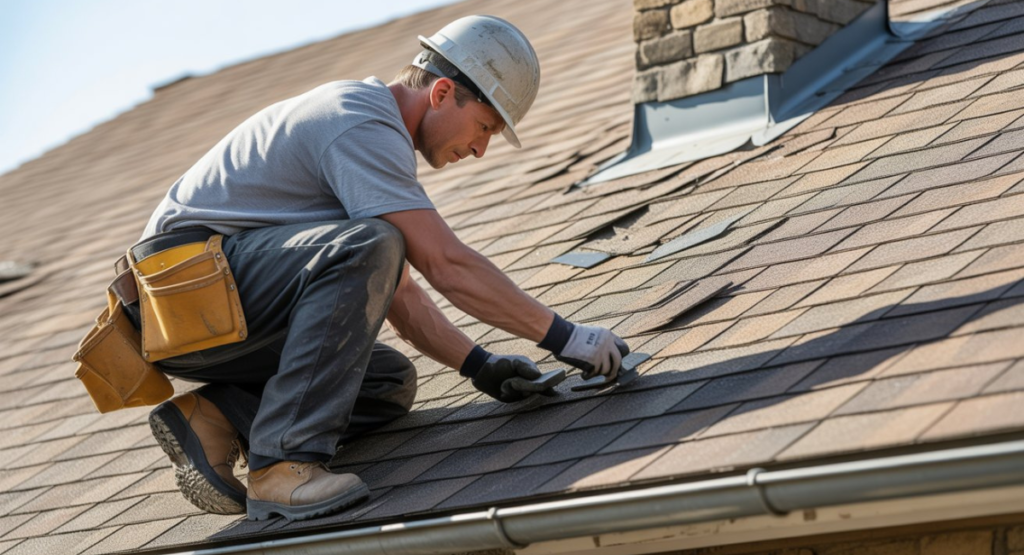
Considering roof replacement before selling, understanding buyer perception of roof, and weighing costs against potential roof replacement ROI can help homeowners make an informed choice. Making the right decision now prevents surprises during closing and protects your investment..
Why Roof Condition Matters When Selling
The condition of a roof can make or break a home sale. Buyers often judge homes from the outside first, so curb appeal and roof are crucial. A roof with missing shingles or visible damage can signal larger hidden problems, even if the structure underneath is sound. Buyer perception of roof can affect how offers are made and how much buyers are willing to pay. A fresh, well-maintained roof gives confidence and reduces negotiation friction.
Additionally, roof condition influences home inspections and appraisals. Mortgage lenders require functional roofs for approval, particularly for FHA and VA loans. If a roof shows significant wear, it can delay or prevent mortgage approval, limiting the pool of potential buyers. Proper documentation, photos, and contractor quotes can reassure buyers and appraisers that the home has been maintained, which is a key part of any home selling checklist.
Assessing Your Roof’s Current Condition
Before deciding whether to replace or sell as-is, a thorough roof condition inspection is essential. Look for missing shingles, granule loss, sagging areas, leaks, or damage from storms. Consider the roof’s age and type: asphalt shingles generally last 20–25 years, while metal and tile can last 50+ years. Roof age and functionality directly affect how buyers evaluate your home. For example, a 20-year-old asphalt roof may lead buyers to request significant price reductions even if it is functional.
Hiring a professional inspector can provide an accurate assessment. They can follow a roof inspection checklist to identify weak points, hidden leaks, or damage that could appear during the buyer’s inspection. Seasonal factors also matter; winter storms may reveal leaks not visible in summer. Documenting your roof’s condition with photos and getting roof quotes from contractors creates transparency and avoids surprises during closing.
Financial Considerations
Replacing a roof is a major investment, but understanding the roof repair cost vs. replacement and potential roof replacement ROI is essential. In the U.S., a typical roof replacement costs between $8,000 and $20,000 depending on size and materials. While the cost may not be fully recouped, a new roof can boost home value with new roof and improve appeal in competitive markets. Selling a home with a worn roof often leads to lower offers, negotiating home price for repairs, and slower sales.
Consider long-term financial implications. A new roof may reduce repair requests from buyers, decrease inspection red flags, and increase interest from buyers needing mortgage approval and roof condition compliance. On the other hand, selling as-is can save upfront costs but may require offering credit or allowance for roof, which could affect final sale profit. Weighing these trade-offs is a crucial part of a strategic home selling checklist.
| Roof Type | Average Lifespan | Average Replacement Cost (USD) | ROI (%) |
| Asphalt Shingles | 20-25 years | 8,000 – 15,000 | 60-65 |
| Metal | 40-50 years | 15,000 – 25,000 | 65-70 |
| Tile | 50+ years | 20,000 – 35,000 | 60-68 |
Understanding Buyer Psychology
Buyer psychology and roof significantly affects offers and negotiations. Buyers often assume a worn roof signals costly future repairs. They may reduce offers or request credits for replacements. A new roof communicates reliability, reduces perceived risk, and can give sellers leverage in price negotiations. The visual impact of new roof plays a role in online listings and first impressions. A crisp, clean roof conveys pride of ownership and professionalism, making buyers more comfortable with the home’s overall condition.
Homeowners must also consider market comparisons. If neighboring homes have new roofs, buyers may automatically discount a property with an aging roof. Conversely, a recently replaced roof can make a home stand out. Understanding these subtleties in buyer perception of roof allows sellers to plan their strategy. The psychology of roofing issues can even outweigh minor interior features when buyers decide on an offer.
Market Dynamics and Timing
Local real estate market trends and roof influence whether it makes sense to replace the roof before selling. In a seller’s market, buyers may overlook minor roof issues to secure a property, whereas in a buyer’s market, even small problems can derail negotiations. Regional climate matters too; areas prone to storms or snow see buyers scrutinizing roof condition more closely. Roof damage after storms can further affect timing, as repair work may need to be completed before listing.
Timing is also critical. Seasonal roof replacement affects cost, contractor availability, and project duration. Spring is popular for home sales, but contractors may be booked. Fall or winter might offer better scheduling and pricing but comes with weather risks. Planning roof work strategically can help maximize market value and reduce delays in selling.
Alternatives to Full Replacement
Not all homes need a full replacement. Partial roof repairs or cosmetic improvements may suffice for selling a home with a worn roof. Minor shingle replacement, patching leaks, or cleaning the roof can significantly improve the visual impact of new roof without a huge investment. For roofs with limited issues, these solutions can satisfy buyers while controlling costs.
Another strategy is offering credit or allowance for roof. This lets buyers handle the replacement while giving sellers flexibility. Selling as-is homes with proper disclosure allows buyers to make their own choices. These temporary vs. permanent roof solutions help balance financial and strategic goals without delaying the sale.
What Buyers and Inspectors Look For
Buyers and inspectors focus on roof inspection red flags. Missing shingles, water stains, sagging areas, or damaged flashing often trigger negotiation requests. Insurance and mortgage approval requirements also play a role in the decision-making process. Homes with poor roof conditions may require buyers to secure cash-only offers, limiting market exposure.
Transparency is key. Providing a roof inspection checklist and contractor quotes shows buyers that issues are acknowledged and addressed. Avoid surprises during closing by disclosing all known roof issues. A clean, well-documented roof evaluation can prevent legal disputes and ensure smoother negotiations.
Making the Right Decision for Your Home
Choosing whether to replace or sell as-is involves evaluating the home selling strategy, market conditions, roof lifespan, and buyer expectations. Consulting real estate agents and contractors gives insight into costs, potential roof replacement ROI, and buyer reactions. Decisions should balance roof repair cost vs. replacement, timing, and overall market positioning.
A strategic home selling checklist includes roof condition, cost-benefit analysis, inspection results, and market timing. Small repairs may suffice if the home is priced appropriately. Full replacement is justified when it enhances curb appeal, avoids buyer negotiation challenges, and maximizes resale value. Each scenario demands careful thought to avoid surprises during closing.
Final Thoughts: Is Replacing Your Roof Worth It?
Deciding whether to replace your roof before selling—or let buyers handle it depends on financial, market, and strategic considerations. A new roof can boost home value with new roof, reduce negotiation leverage, and attract more buyers. Selling as-is can save upfront costs but may require credits, longer listing times, and lower offers.
Ultimately, homeowners must weigh roof issues affecting home sale against potential ROI, market trends, and buyer psychology. Evaluating the roof carefully, documenting its condition, and consulting professionals ensures a decision aligned with long-term goals. Proper planning and insight create confidence and help navigate one of the most critical decisions in selling a home.
FAQS
Should I replace the roof on my house before I sell it?
Replacing your roof can make your home more appealing and reduce buyer hesitation. If your roof is old, damaged, or nearing the end of its lifespan, investing in it can speed up the sale and even justify a higher price. Sometimes, letting buyers handle minor issues works, but major problems usually cost more later.
Does a new roof increase resale value?
Absolutely! A new roof not only improves curb appeal and roof perception but can also recoup a significant portion of its cost at resale. Buyers see it as a ready-to-move-in home without immediate expenses, making them more confident and likely to pay top dollar.
Is a bad roof a deal breaker?
It often is. Homes with worn or damaged roofs can scare buyers away or lead to lower offers. Even minor issues can raise roof inspection red flags during appraisal and inspection, giving buyers leverage to negotiate significant discounts.
Does a bad roof affect an appraisal?
Yes, it does. Appraisers consider the roof’s condition as part of home appraisal and roof evaluation. A deteriorated roof can lower the home’s value, affect mortgage approval, and even exclude buyers seeking FHA or VA loans.
What is the average lifespan of a roof?
Roof lifespan varies by material. Asphalt shingles last 20–25 years, metal roofs can reach 40–50 years, and tile roofs often exceed 50 years. Knowing your roof’s age helps determine if replacement is wise before selling.

Welcome to Alpha Core.
I’m Alex Morgan, a content writer with over 3 years of experience in research-based and educational writing.
Here, I share clear and reliable information to help readers understand complex topics with confidence.

