
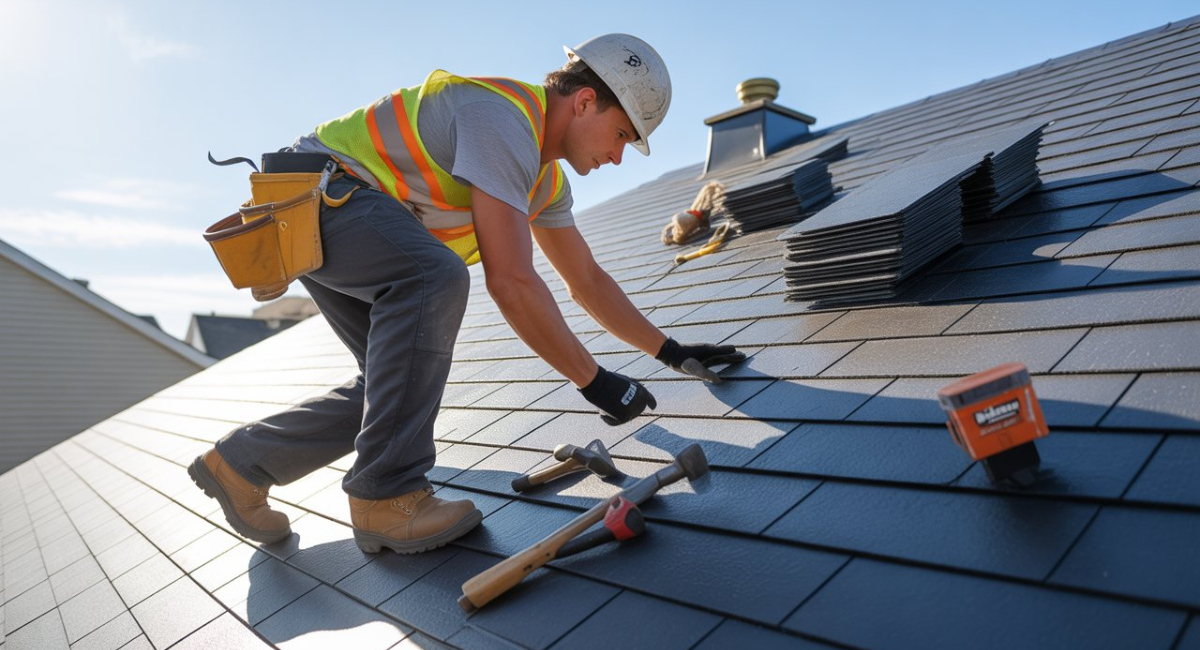
Knowing how to spot roofing scams and avoid costly mistakes is essential for homeowners. Every year, thousands of people lose money to fraudsters posing as roofing contractors. Scammers often appear after storms, promising fast repairs or affordable roof repair. Many homeowners fall for these tricks because roofing work feels urgent and expensive. Understanding the warning signs can save you thousands and protect your home from substandard work.
Even experienced homeowners can be tricked. Scammers rely on fear, urgency, and confusion. They know that people often assume the cheapest roofing bid is not the smartest choice, yet the promise of a quick deal can cloud judgment. Learning how to spot roofing scammers and recognizing roofing contractor red flags is the first step to hiring the right professionals. A real licensed roofing contractor or insured roofing company will guide you through every step without rushing decisions or hiding details.
What Are Roofing Scams and Why Homeowners Fall for Them
Roofing scams happen when dishonest roofing contractors exploit homeowners’ lack of knowledge about roofs. These scams often occur after hurricanes, hailstorms, or heavy storms when roofs sustain damage. Scammers use high-pressure tactics and fake claims to trick people into quick decisions. Many victims are drawn to low bid roofing contractors, thinking they are saving money, but they end up paying far more in repairs.
Homeowners fall for scams because roofs are hard to inspect. Scammers rely on fear and urgency to push storm damage roof repair without proper verification. Often, they promise fast fixes or dramatic results. In contrast, legitimate professional roofing solutions providers explain repairs clearly and provide written roofing contracts. Understanding these differences helps homeowners avoid roofing contractor scams and choose trustworthy professionals.
The Most Common Roofing Scams You Must Watch Out For
Many scams repeat worldwide. Some involve fake damage inspections, sudden price hikes, or disappearing crews. These schemes target people seeking affordable roof repair after a storm. Scammers may use official-sounding language to appear credible while performing no real work.
Another common scam involves door-to-door roofing contractors who pressure homeowners. They often present themselves as trusted roof installers or experts from other states. Recognizing these patterns early can prevent roofing contractors disappearing after payment. Homeowners should always check for licenses, insurance, and local reputation.
Storm Chasers: Fast Talkers Who Disappear After the Job
Storm chaser roofing contractors move from one storm-damaged neighborhood to another. They promise fast repairs but often vanish before completing the job. Most of these are out-of-state roofing contractors who have no local ties or accountability.
You may notice contractors knocking after storms, claiming to have spotted damage from the street. This is a key warning sign. Unlike legitimate local roofing contractors, storm chasers avoid referrals and have no long-term reputation to protect. Homeowners often report roofing contractors disappearing after payment, leaving unfinished work and no warranty.
Bait-and-Switch Roofing Deals That Start Cheap and End Costly
Many homeowners are drawn to low bid roofing contractors. These bids seem appealing but often hide extra fees or unnecessary repairs. Once work begins, scammers reveal “needed” upgrades, dramatically increasing costs. These bait and switch roofing estimates trick homeowners into paying far more than expected.
Legitimate roof replacement contractors provide transparent pricing. They explain potential risks, material costs, and labor fees upfront. Their estimates include roofing permits, proper materials, and labor costs. This honesty prevents surprise bills and ensures that you receive quality work with full roofing warranties.
High-Pressure Roofing Sales Tactics That Signal Fraud
Scammers create urgency to push homeowners into quick decisions. They often use high-pressure roofing sales tactics and emergency roof repair scare tactics, warning of leaks, mold, or collapse. These are designed to make you act before checking details.
Real roofing experts services providers understand the importance of careful planning. They schedule work appropriately and never force decisions. Slow and deliberate planning allows homeowners to verify licenses, insurance, and importance of local roofing references, which helps protect against scams.
Upfront Payments, Cash Discounts, and Other Financial Red Flags
Some scammers insist on large deposits or cash payment roofing jobs. Cash-only roofing contractors avoid paperwork and legal accountability. This may result in substandard work, legal risk, and no insurance coverage.
A legitimate insured roofing company provides proper invoices and payment schedules. Payments are linked to work progress, and full roofing warranties are offered. Homeowners should never pay in full upfront or use cash without documentation.
Fake Damage Reports and Inflated Insurance Claims Explained
Scammers often fabricate roof damage or exaggerate existing problems. They may push inflated insurance claims or submit fake inspection reports. This puts homeowners at risk for fraud investigations or denied claims.
Legitimate contractors follow all roofing permits requirements and provide accurate documentation. Homeowners should always verify reports and avoid anyone encouraging falsified claims. The following table shows differences:
Warning Signs of an Unlicensed or Untrustworthy Roofing Contractor
Unlicensed and uninsured contractors create major risks. Without proper licensing, homeowners carry responsibility for accidents, damages, or poor work. Many scams involve verbal roofing agreements that offer no legal protection.
Professional contractors provide written roofing contracts with clear timelines, materials, and roofing warranties. They operate transparently, maintain insurance, and follow local laws. Ignoring these signs is a common mistake leading to expensive consequences.
How to Verify a Legit Roofing Company Before Hiring
Verification is crucial. Check state licensing boards, insurance certificates, and past projects. Ask for local references and inspect their previous work. Importance of local roofing references is critical because real homeowners can confirm quality and timeliness.
Reliable trusted roof installers or roofing experts services are proud to show credentials. They maintain permanent offices and relationships with suppliers. Verifying all credentials prevents hiring unlicensed and uninsured contractors.
Final Checklist to Protect Yourself From Roofing Scammers
Understanding how to spot roofing scams and avoid costly mistakes ensures you hire the right professional. Slow down decisions, request documentation, and verify credentials before signing. Always insist on written roofing contracts, confirm roofing permits, and check roofing warranties.
Choosing proper storm damage roof repair services prevents long-term issues. Your roof is an investment, and selecting legitimate roof replacement contractors protects your home for decades. Avoiding roofing contractor scams starts with knowledge, caution, and patience.
FAQS
How to tell if a roofer is lying?
You can tell if a roofer is lying if they avoid providing written estimates, refuse to show licensing or insurance, or give inconsistent answers about materials and timelines. Overly urgent claims about hidden damage are also a warning.
How do you know if your roofing contractor is ripping you off?
Red flags include sudden price increases, requests for large upfront cash payments, low-quality materials, and disappearing after partial work. Comparing multiple quotes and checking references helps spot overcharging.
How to spot a bad roofing company?
A bad roofing company lacks local references, avoids written roofing contracts, has poor online reviews, and offers unusually low bids. Unlicensed and uninsured contractors often rely on high-pressure sales and vague promises.
What should you never say to a scammer?
Never reveal your insurance details, agree to immediate cash payments, or commit to work without verifying credentials. Staying calm and asking for documentation is key.
What are common scammer phrases?
Scammers often say things like “We noticed damage from the street,” “This must be fixed today,” or “Pay me in cash for a special discount.” These are designed to rush decisions and avoid accountability.

Welcome to Alpha Core.
I’m Alex Morgan, a content writer with over 3 years of experience in research-based and educational writing.
Here, I share clear and reliable information to help readers understand complex topics with confidence.

