
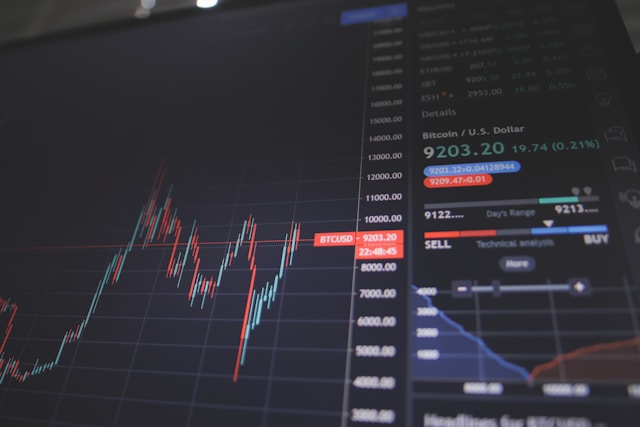
Managing your personal finances effectively is one of the most important skills you can develop in today’s fast-changing world. As we move through 2026, economic shifts, rising living costs, and evolving financial tools make it more essential than ever to take control of your money. Building wealth isn’t about luck—it’s about consistent, informed decisions that compound over time. With the right approach, anyone can improve their financial situation and work toward long-term stability.
Understanding Your Financial Foundation
Before you can build wealth, you need to understand where you currently stand. This starts with assessing your income, expenses, debts, and savings. Many people avoid this step because it can feel overwhelming, but clarity is key. Track your monthly income and categorize your expenses to identify where your money is going.
A simple budget is one of the most powerful tools in personal finance. It doesn’t need to be restrictive—instead, it should reflect your priorities. The goal is to ensure that you’re spending intentionally and saving consistently. In 2026, digital budgeting apps make it easier than ever to monitor your finances in real time, helping you stay on track without constant manual effort.
Building a Strong Emergency Fund
Life is unpredictable, and financial setbacks can happen at any time. That’s why having an emergency fund is essential. Ideally, you should aim to save three to six months’ worth of living expenses. This fund acts as a safety net, protecting you from unexpected events such as job loss, medical emergencies, or urgent repairs.
Start small if necessary. Even setting aside a small percentage of your income each month can build momentum over time. Keep this money in a separate, easily accessible account so you’re not tempted to use it for everyday expenses.
Managing Debt Wisely
Debt can be one of the biggest obstacles to building wealth. High-interest debt, such as credit cards, can quickly spiral out of control if not managed properly. The key is to develop a clear repayment strategy.
One effective approach is the avalanche method, where you focus on paying off the highest-interest debt first while making minimum payments on others. Alternatively, the snowball method focuses on paying off smaller debts first to build motivation. Choose the method that works best for your mindset and financial situation.
In 2026, many financial institutions offer tools to help consolidate or refinance debt at lower interest rates. Taking advantage of these options can reduce the overall cost of borrowing and help you become debt-free faster.
Investing for Long-Term Growth
Saving money is important, but investing is what truly builds wealth over time. With inflation gradually reducing the value of cash, putting your money to work is essential. Investing allows your money to grow through compound returns, which can significantly increase your wealth over the years.
If you’re new to investing, start with simple options like index funds or exchange-traded funds (ETFs). These provide diversification and reduce risk compared to investing in individual stocks. As you gain confidence, you can explore other opportunities based on your goals and risk tolerance.
Consistency matters more than timing the market. Regular contributions, even in small amounts, can lead to substantial growth over time. Automation tools can help you invest consistently without needing to think about it every month.
Diversifying Your Income Streams
Relying on a single source of income can be risky, especially in an uncertain economic environment. Building multiple income streams can provide financial security and accelerate your wealth-building journey.
In 2026, the digital economy offers countless opportunities for additional income. Freelancing, online businesses, content creation, and remote work have become more accessible than ever. Even small side projects can grow into significant income sources over time.
The key is to find something that aligns with your skills and interests. This not only makes the process more enjoyable but also increases your chances of long-term success.
Practicing Smart Spending Habits
Building wealth isn’t just about earning more—it’s also about spending wisely. Mindful spending means making intentional decisions about where your money goes. This doesn’t mean cutting out all enjoyment; instead, it’s about prioritizing what truly matters to you.
One useful strategy is the 24-hour rule: before making a non-essential purchase, wait a day to see if you still want it. This simple habit can reduce impulse spending and help you focus on long-term goals.
Additionally, look for ways to reduce recurring expenses. Subscriptions, utilities, and daily habits can add up quickly. Small adjustments in these areas can free up more money for saving and investing.
Planning for Retirement Early
Retirement may seem far away, but the earlier you start planning, the easier it becomes. Time is your greatest advantage when it comes to building a retirement fund. Even modest contributions can grow significantly over decades.
Take advantage of retirement accounts or long-term savings plans available in your country. These often come with tax benefits that can boost your overall returns. Make it a priority to contribute regularly, even if the amount is small at first.
In 2026, many platforms offer personalized retirement planning tools that can help you estimate how much you need to save and track your progress over time.
Protecting Your Wealth
As you build wealth, it’s important to protect it. This includes having the right insurance coverage, such as health, property, or life insurance, depending on your situation. Insurance acts as a safeguard against financial setbacks that could otherwise undo years of progress.
Additionally, be cautious with financial decisions and avoid high-risk schemes that promise quick returns. Sustainable wealth is built gradually, not overnight. Staying informed and making thoughtful decisions will help you avoid unnecessary risks.
Staying Consistent and Adaptable
Financial success doesn’t happen overnight. It requires patience, discipline, and consistency. There will be challenges along the way, but staying committed to your goals is what makes the difference.
At the same time, it’s important to remain adaptable. Economic conditions, personal circumstances, and financial tools will continue to evolve. Regularly reviewing your financial plan ensures that it stays aligned with your goals and current situation.
Set clear, realistic goals and celebrate your progress along the way. Whether it’s paying off a debt, reaching a savings milestone, or making your first investment, every step forward counts.
Conclusion
Mastering personal finance in 2026 is about more than just managing money—it’s about creating a life of stability, freedom, and opportunity. By understanding your financial situation, building strong habits, and making informed decisions, you can take control of your future.
Wealth-building is a journey that requires time and effort, but the rewards are worth it. Start with small steps, stay consistent, and keep learning. Over time, these smart strategies will help you build lasting financial security and achieve your long-term goals.

Welcome to Alpha Core.
I’m Alex Morgan, a content writer with over 3 years of experience in research-based and educational writing.
Here, I share clear and reliable information to help readers understand complex topics with confidence.

