
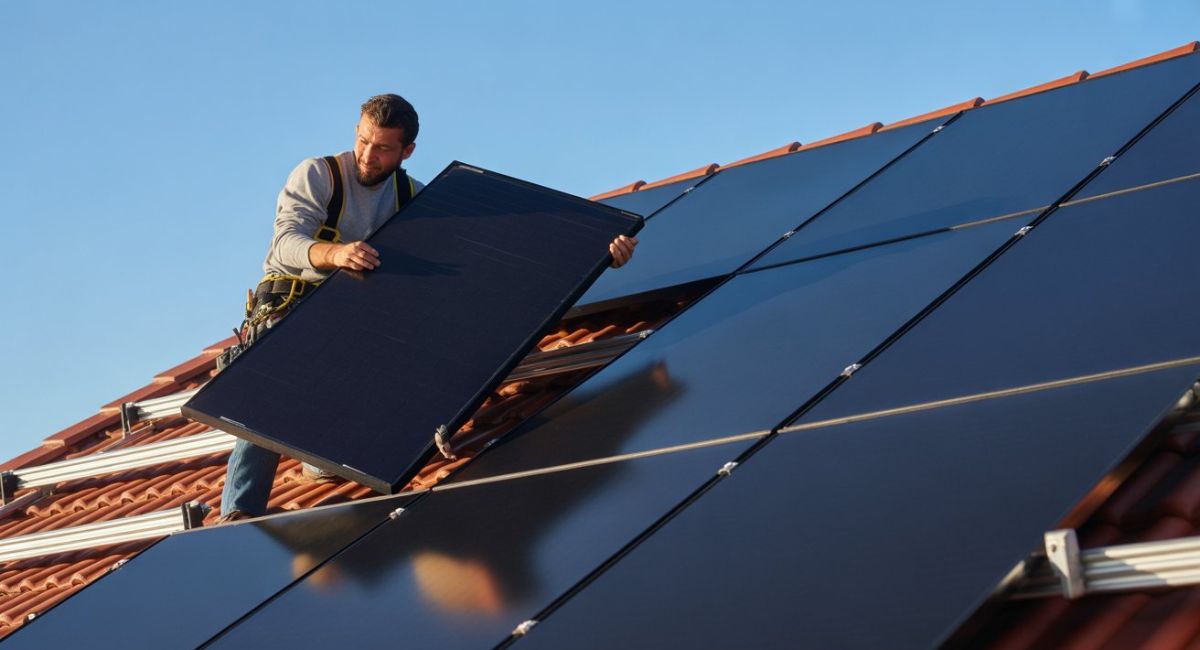
How I Almost Fell for a Solar Installation Scam taught a hard lesson about trusting flashy deals. Solar installation scams, the free solar panels myth, and door-to-door solar sales can trap even careful homeowners. High-pressure pitches and solar financing traps make decisions feel urgent. Spotting a vague solar company background early protects your home, wallet, and future energy savings.
Some fake operators hide behind a vague solar company background, making it hard to verify their credibility. Understanding the warning signs and knowing how to evaluate installers can protect homeowners from costly mistakes. This guide explores real risks and shows how to avoid falling victim.
Are Solar Installation Scams Real or Just Overhyped?
Solar scams are real, widespread, and well-documented by the FTC and Consumer Reports. As solar demand grows, fake solar companies follow closely behind. They use confusing language, half-truths, and emotional pressure to push risky solar panel agreements that benefit them, not you.
However, not every bad experience is a scam. Some problems come from poor training or weak oversight. Still, patterns repeat. These patterns include solar tax credit misinformation, solar savings exaggeration, and misleading promises tied to solar energy investment risks that many homeowners never see coming.
Aggressive Sales Pressure Is the First Major Red Flag
It often starts with urgency. A solar salesman claiming to work with utility company language creates false trust fast. Then comes the pressure. You feel pressured to sign solar contract same day, even though the decision affects your home for decades.
Legitimate companies slow things down. Scammers rush everything. High-pressure sales tactics block logic and create fear. When urgency replaces clarity, that’s when a gut feeling something felt off usually appears for a good reason.
Door-to-Door Solar Sales:Why Legit Companies Avoid Them
Door-to-door solar sales still exist, but top local solar installers rarely rely on them. Trusted companies grow through referrals and strong reviews. Scammers prefer surprise visits because homeowners haven’t prepared questions or verified credentials yet.
Sometimes, these reps wear badges or uniforms. That visual trick lowers defenses. Still, real professionals encourage research. Fake ones avoid delays because time exposes cracks in their story and their vague solar company background.
Lack of Transparency About the Company Raises Serious Concerns
A real installer shares proof easily. A solar contractor license, office address, and past projects should never be hard to find. When answers stay fuzzy, trouble usually follows.
Many fake solar companies hide behind generic names and polished websites. They avoid details. Transparency protects you. Without it, verifying solar installer credentials becomes nearly impossible, which raises the risk of long-term damage.
“Free Solar Panels” — The Most Dangerous Solar Marketing Lie
The free solar panels myth hooks people fast. Hearing solar panels offered for free feels exciting. In reality, someone always pays. Usually, that someone is you, over many years.
Most “free” offers hide a solar panel lease scam. Contracts include hidden terms in solar lease agreement documents that limit home sales and inflate costs. These deals often lead to long-term solar contract problems many homeowners regret later.
Shady Financing Plans That Feel More Like Payday Loans
Financing can help when done right. Still, solar financing traps feel aggressive and rushed. A pushy solar financing approval process skips proper checks and pushes inflated interest rates.
Good lenders explain options calmly. Scammers rush signatures and avoid comparisons. That approach locks homeowners into debt that feels cheap at first but grows heavy over time, especially when savings fail to appear.
Missing Permits, Inspections, and Local Approvals Can Cost You Later
Solar work must follow rules. Solar permits and inspections protect homeowners and neighborhoods. When installers skip steps, problems surface later. Some systems become illegal overnight.
Many victims discover missing solar permits and inspections only during resale or insurance claims. That delay creates stress and cost. Proper approval matters more than speed, even when salespeople dismiss it casually.
Unrealistic Savings & Electricity Bill Promises That Don’t Add Up
Savings depend on sunlight, roof angle, usage, and rates. Anyone promising unrealistic electricity bill savings before reviewing your bills is guessing, not calculating.
Solar savings exaggeration often relies on misleading federal solar rebate claims and inflated future energy costs. Real projections use math, not hype. Without data, numbers mean nothing.
No Local Reviews, No References, No Reputation = Big Warning
Strong companies leave footprints. Homes, reviews, and referrals tell the story. When there are no local solar references available, something important is missing.
Local proof matters. It shows accountability. Without it, selling house with leased solar panels becomes harder. Reputation follows good work. Silence often follows scams.
How to Protect Yourself from Solar Scams
Protection starts with patience. Avoiding solar panel scams requires time, questions, and comparison. Research local solar installers and confirm licenses independently. Verify every claim before trusting it.
Below is a simple comparison showing how legitimate companies differ from risky ones.
| Legitimate Installer | Risky Operator |
|---|---|
| Shares license openly | Hides credentials |
| Explains contracts clearly | Rushes signatures |
| Provides local references | Avoids proof |
| Uses real savings data | Pushes inflated claims |
Learning from How I Almost Fell for a Solar Installation Scam shows that slowing down often saves thousands later.
Final Verdict:Trust Your Instincts, Verify Everything
Solar power works when done right. Still, trust must follow proof. If pressure replaces clarity, walk away. Your home deserves careful decisions, not rushed ones.
The lesson behind How I Almost Fell for a Solar Installation Scam is simple. Smart solar choices come from calm thinking, honest answers, and the courage to say no when something doesn’t add up.
FAQs
How can homeowners tell if a solar offer is legitimate?
A legitimate offer includes clear pricing, written estimates, and verifiable licenses. Reliable companies allow time to review documents and encourage comparison instead of rushing decisions.
Why do solar scams often target specific neighborhoods?
Scammers focus on areas with high homeownership and strong sunlight because these locations promise faster approvals and higher profit potential for deceptive sellers.
Can a solar contract affect future home sales?
Yes, certain contracts can make selling a home harder. Buyers may hesitate to accept long-term agreements with unclear ownership or rising payment terms.
Are government solar incentives guaranteed for every homeowner?
No, incentives depend on eligibility, tax liability, and system ownership. Claims of guaranteed rebates often ignore federal and state qualification rules.
What is the safest way to compare solar installation companies?
Request multiple quotes, verify licenses through state databases, and review recent local installations. Speaking with past customers helps confirm service quality and reliability.

Welcome to Alpha Core.
I’m Alex Morgan, a content writer with over 3 years of experience in research-based and educational writing.
Here, I share clear and reliable information to help readers understand complex topics with confidence.

