
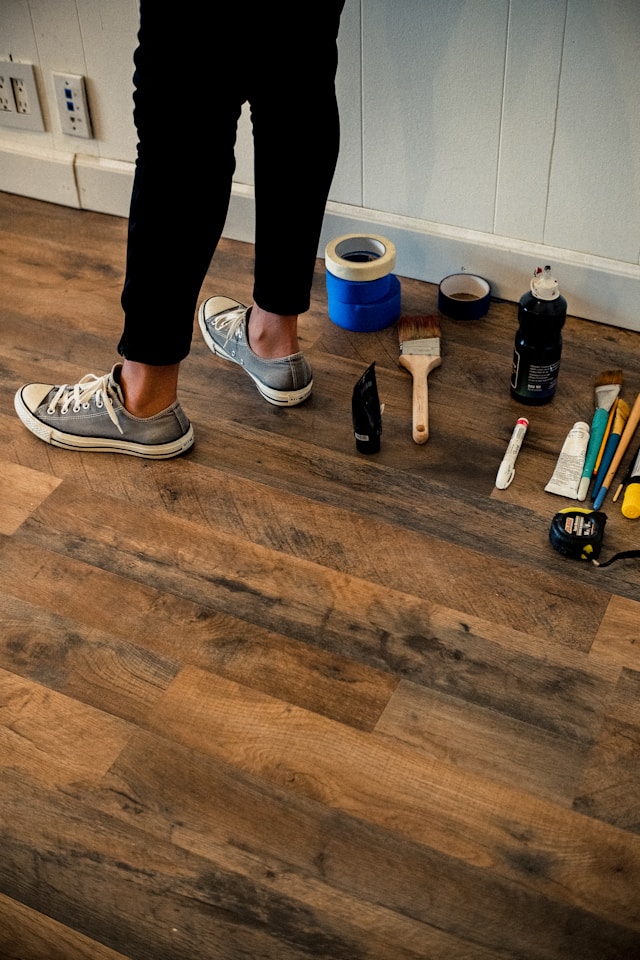
Owning a home in the United States comes with many benefits, but it also involves ongoing maintenance expenses. From plumbing and electrical systems to appliances and structural upkeep, every home requires regular care. While these costs are unavoidable, homeowners can take several practical steps to reduce maintenance expenses without sacrificing the quality or safety of their property.
Smart planning, regular maintenance, and informed decision-making can significantly lower the overall cost of home upkeep. By adopting efficient habits and preventative strategies, homeowners can avoid expensive repairs and extend the life of important systems and equipment.
Below are ten smart ways homeowners in the U.S. can reduce household maintenance costs while keeping their homes in excellent condition.
1. Prioritize Preventive Maintenance
One of the most effective ways to reduce maintenance costs is by focusing on preventive care. Small issues often become large and expensive repairs when they are ignored.
For example, cleaning gutters regularly prevents water from damaging the roof or foundation. Replacing HVAC filters helps heating and cooling systems run efficiently, reducing strain on the equipment. Checking plumbing fixtures for leaks can prevent water damage and high utility bills.
By addressing small issues early, homeowners can prevent more serious problems that may require costly repairs later.
2. Learn Basic DIY Repair Skills
Many common household repairs do not require professional help. Learning a few basic DIY skills can save homeowners a significant amount of money in labor costs.
Simple tasks such as unclogging drains, tightening cabinet handles, replacing light fixtures, patching drywall, and fixing small plumbing leaks are often easy to learn. With the help of online tutorials and home improvement guides, homeowners can confidently handle many minor repairs themselves.
Investing in a basic toolkit—including screwdrivers, pliers, a wrench, and a cordless drill—can make these tasks much easier and reduce the need for service calls.
3. Perform Regular Home Inspections
Regularly inspecting your home allows you to detect issues before they become serious. Many homeowners only notice problems when they become obvious, but early detection can prevent expensive repairs.
Homeowners should check areas such as the roof, attic, basement, plumbing connections, windows, and exterior siding. Look for signs of leaks, cracks, moisture, or unusual wear.
Conducting a simple inspection every few months can help identify potential problems and allow for quick solutions before damage spreads.
4. Improve Energy Efficiency
Energy efficiency improvements not only reduce monthly utility bills but also lower long-term maintenance costs. When heating and cooling systems work efficiently, they experience less strain and last longer.
Simple improvements include sealing air leaks around windows and doors, installing weatherstripping, and adding insulation where needed. Energy-efficient lighting and appliances can also reduce electricity consumption.
These upgrades help maintain comfortable indoor temperatures while reducing wear and tear on home systems.
5. Maintain Heating and Cooling Systems
Heating and cooling systems are among the most expensive components in a home. Regular maintenance is essential to keep them operating efficiently and to avoid expensive replacements.
Homeowners should replace air filters regularly, keep vents clear of obstructions, and schedule professional HVAC inspections at least once a year. Technicians can identify worn parts, clean internal components, and ensure the system is operating properly.
Consistent maintenance helps extend the lifespan of HVAC equipment and reduces the likelihood of sudden breakdowns.
6. Protect Plumbing Systems
Plumbing repairs can become expensive if problems go unnoticed for too long. Simple habits can help protect plumbing systems and reduce maintenance costs.
Avoid pouring grease, oil, or large food scraps down the kitchen sink. Install drain screens in sinks and showers to catch debris. Fix small leaks immediately to prevent water damage.
In colder regions of the United States, insulating exposed pipes can help prevent freezing during winter months. These preventive measures reduce the risk of pipe damage and expensive emergency repairs.
7. Choose Durable Materials for Repairs
When repairs are necessary, selecting durable materials can save money in the long run. Cheaper materials may require frequent replacement, while higher-quality materials often last much longer.
For example, durable roofing materials, long-lasting plumbing fixtures, and high-quality flooring can reduce maintenance needs over time. While the initial cost may be slightly higher, the long-term savings from fewer repairs can be significant.
Making thoughtful material choices helps homeowners maintain their property more efficiently.
8. Compare Contractor Quotes Carefully
For larger repairs that require professional assistance, comparing multiple contractor estimates is an important step in controlling costs.
Obtaining at least three quotes allows homeowners to understand the typical price range for a project. This also helps identify contractors who may be charging excessively high rates.
When evaluating contractors, consider factors such as experience, reviews, licensing, and warranties. Choosing a reliable professional ensures quality work while avoiding unnecessary expenses.
9. Create a Home Maintenance Budget
Unexpected repairs can be stressful if homeowners are not financially prepared. Creating a home maintenance budget helps manage these situations more effectively.
Many financial experts recommend setting aside a small percentage of a home’s value each year for maintenance and repairs. Having a dedicated repair fund allows homeowners to address issues quickly without relying on credit or loans.
Planning ahead also helps homeowners schedule necessary upgrades or improvements without financial strain.
10. Keep Appliances Clean and Well Maintained
Household appliances play an important role in daily life, and proper maintenance helps extend their lifespan. Neglected appliances often break down sooner and require costly repairs or replacement.
Cleaning refrigerator coils, checking washing machine hoses, and maintaining dishwashers and dryers can improve performance and efficiency. Dryer vents should also be cleaned regularly to prevent lint buildup and reduce fire risk.
Taking care of appliances ensures they continue operating effectively and reduces the likelihood of unexpected failures.
Conclusion
Maintaining a home can be expensive, but homeowners have many opportunities to reduce maintenance costs through smart habits and proactive care. Preventive maintenance, basic DIY skills, regular inspections, and energy efficiency improvements all contribute to lower long-term expenses.
By addressing small issues early and investing in durable materials and proper maintenance, homeowners can avoid costly repairs and extend the lifespan of important systems within their homes.
With careful planning and responsible upkeep, homeowners across the United States can maintain comfortable, safe living spaces while keeping household maintenance costs under control.

Welcome to Alpha Core.
I’m Alex Morgan, a content writer with over 3 years of experience in research-based and educational writing.
Here, I share clear and reliable information to help readers understand complex topics with confidence.

