
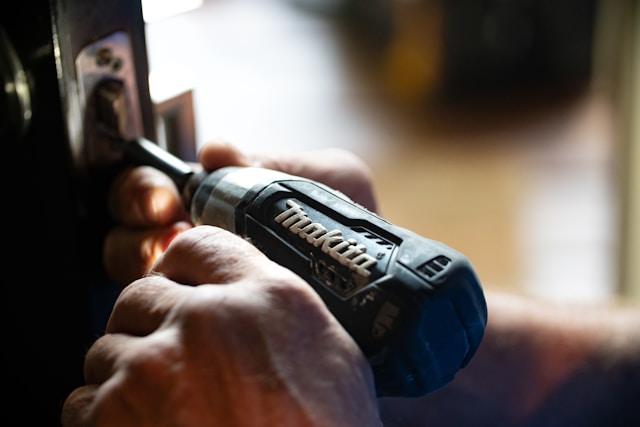
Owning a home in the United States comes with many rewards, but it also brings ongoing responsibilities. Over time, even well-maintained homes develop small issues that require attention. While some problems require professional help, many everyday repairs are simple enough for homeowners to handle on their own with basic tools and a little guidance.
Learning how to address common household repairs can save money, reduce stress, and prevent minor problems from turning into costly damage. Understanding how your home functions also helps you respond quickly when something goes wrong. Below are ten common home repairs every U.S. homeowner should know how to fix.
1. Fixing a Leaky Faucet
A dripping faucet is one of the most common household problems. While it may seem minor, a leak can waste a significant amount of water over time and increase your monthly utility bill.
Most faucet leaks are caused by worn washers, O-rings, or cartridges inside the fixture. The first step is to turn off the water supply under the sink. Once the water is off, carefully remove the faucet handle and access the internal parts. Replacing the worn component with a new one often solves the problem immediately.
Hardware stores across the U.S. carry replacement parts for most faucet models, and many repairs require only a screwdriver and a wrench. Fixing a leaky faucet is a simple task that can quickly reduce water waste and restore normal function.
2. Unclogging a Drain
Slow or clogged drains are another frequent household issue, especially in kitchens and bathrooms. Hair, soap residue, food particles, and grease can build up in pipes and block water flow.
Before using chemical cleaners, try safer and more environmentally friendly solutions. A plunger can often clear minor clogs. For sinks, a drain snake or plastic drain tool can help remove debris trapped deeper in the pipe.
Another common method is using hot water combined with dish soap or baking soda and vinegar. These solutions can break down buildup inside the drain and restore proper flow.
Regular cleaning and avoiding pouring grease or large food scraps down the drain can help prevent future clogs.
3. Repairing a Running Toilet
A running toilet can waste hundreds of gallons of water each day if left unfixed. Fortunately, this repair is usually straightforward.
Inside the toilet tank are several components that control the flushing process. The most common cause of a running toilet is a worn flapper valve that fails to seal properly. When the seal is not tight, water continues to flow from the tank into the bowl.
To fix the issue, remove the tank lid and inspect the flapper. Replacing it with a new one is inexpensive and takes only a few minutes. While inside the tank, also check the chain, fill valve, and float to ensure everything moves freely.
Regular maintenance of these parts helps keep your toilet functioning efficiently and prevents unnecessary water waste.
4. Patching Small Holes in Drywall
Small holes in drywall are common in many homes. They can result from moving furniture, door handles hitting walls, or removing wall-mounted items.
Fortunately, repairing drywall damage is simple. Small nail holes can be filled with lightweight spackling compound. For slightly larger holes, a patch kit or mesh repair patch can reinforce the area before applying compound.
Once the compound dries, lightly sand the surface until smooth. After sanding, repaint the area so it blends with the surrounding wall.
Learning to patch drywall keeps walls looking clean and well maintained without the expense of hiring a contractor.
5. Fixing a Squeaky Door
Squeaky doors can be annoying, especially in quiet homes or during the night. The noise usually comes from friction between the metal parts of the hinge.
The easiest solution is applying a lubricant to the hinge. Household products such as silicone spray, light oil, or even petroleum jelly can reduce friction and eliminate the squeak.
If lubrication does not solve the issue, removing the hinge pin and cleaning it before reapplying lubricant often works. Reinstall the pin carefully and test the door again.
Regular maintenance of hinges keeps doors operating smoothly and quietly.
6. Replacing a Light Switch or Outlet
Electrical fixtures like light switches and outlets experience regular wear over time. A loose outlet or faulty switch can stop working or feel unstable.
Before attempting any electrical repair, always turn off power at the circuit breaker. Once power is off, remove the faceplate and carefully unscrew the fixture from the electrical box.
Replacing an outlet or switch involves reconnecting wires to the same positions on the new device. Following the original wiring layout ensures safe installation.
While these repairs are generally simple, homeowners should follow safety precautions and consult a licensed electrician if unsure about electrical work.
7. Sealing Drafty Windows
Drafty windows can cause energy loss and make it harder to keep homes comfortable during both summer and winter months.
Small gaps around windows allow air to enter and escape, forcing heating and cooling systems to work harder. Sealing these openings improves energy efficiency and reduces energy costs.
Weatherstripping and caulking are commonly used to seal gaps. Applying new caulk around window frames blocks air leaks and helps maintain indoor temperatures. Weatherstripping can also be installed where windows open and close.
Improving window insulation is a simple upgrade that contributes to a more comfortable and energy-efficient home.
8. Resetting a Tripped Circuit Breaker
Power outages in a specific room or area of the house are often caused by a tripped circuit breaker. This happens when too many devices draw electricity from the same circuit or when a short circuit occurs.
The breaker panel is usually located in a basement, garage, or utility room. When a breaker trips, it moves to the middle or “off” position.
To restore power, switch the breaker fully to the “off” position first, then turn it back to “on.” If the breaker trips repeatedly, it may indicate an overloaded circuit or a more serious electrical issue that requires professional attention.
Understanding how to reset breakers safely is a basic skill that every homeowner should know.
9. Replacing a Furnace Filter
Heating and cooling systems rely on air filters to trap dust, pollen, and other airborne particles. Over time, these filters become clogged and reduce airflow.
A dirty filter forces the system to work harder, which can increase energy consumption and shorten the lifespan of the equipment. Replacing the filter regularly helps maintain efficient operation and improves indoor air quality.
Most filters should be checked every one to three months depending on usage and household conditions. Replacing the filter usually requires sliding out the old one and inserting a new filter in the correct direction.
This quick maintenance task can make a noticeable difference in comfort and system performance.
10. Fixing Loose Cabinet Handles
Kitchen and bathroom cabinets are used daily, which can cause handles and knobs to loosen over time.
A loose cabinet handle is usually easy to fix with a screwdriver. Tightening the screws inside the cabinet door often solves the problem. If the screws no longer hold properly, slightly longer screws or small washers can help create a more secure fit.
Maintaining cabinet hardware prevents further damage to doors and keeps kitchens and bathrooms looking well maintained.
Conclusion
Homeownership involves ongoing maintenance, but many everyday repairs are manageable with basic tools and a little knowledge. Learning how to fix simple issues like leaky faucets, clogged drains, or squeaky doors allows homeowners to respond quickly and keep their homes functioning smoothly.
By addressing small problems early, homeowners can avoid larger repairs and maintain the long-term value of their property. Developing these practical skills not only saves money but also builds confidence in managing and caring for a home.
With patience, attention to safety, and a willingness to learn, homeowners can handle many routine repairs and enjoy a more comfortable and well-maintained living environment.

Welcome to Alpha Core.
I’m Alex Morgan, a content writer with over 3 years of experience in research-based and educational writing.
Here, I share clear and reliable information to help readers understand complex topics with confidence.

